
Project Reference
2025-3-NO02-KA153-YOU-000371768
Using basketball and sport to empower young people across Europe
Active Connect proudly represented Serbia in this European project, which brought together sports clubs, NGOs and universities from six countries with the aim of strengthening youth work through sport. The project was based on the idea that basketball and other sports are not only forms of physical activity, but also powerful tools for social inclusion, personal development and employability. Through the project, youth workers explored new ways of supporting young people facing barriers such as school drop-out, unemployment, lack of positive role models, social exclusion, health-related challenges and difficulties with integration.
About the project
The project focused on improving the quality of youth work by equipping youth workers with innovative, practical and non-formal education methods that connected sport with learning and personal growth. Through various activities and exchanges, participants developed competences related to teamwork, leadership, entrepreneurship, communication and digital skills, while also exploring how sport can motivate young people to become more active in education, work and community life.
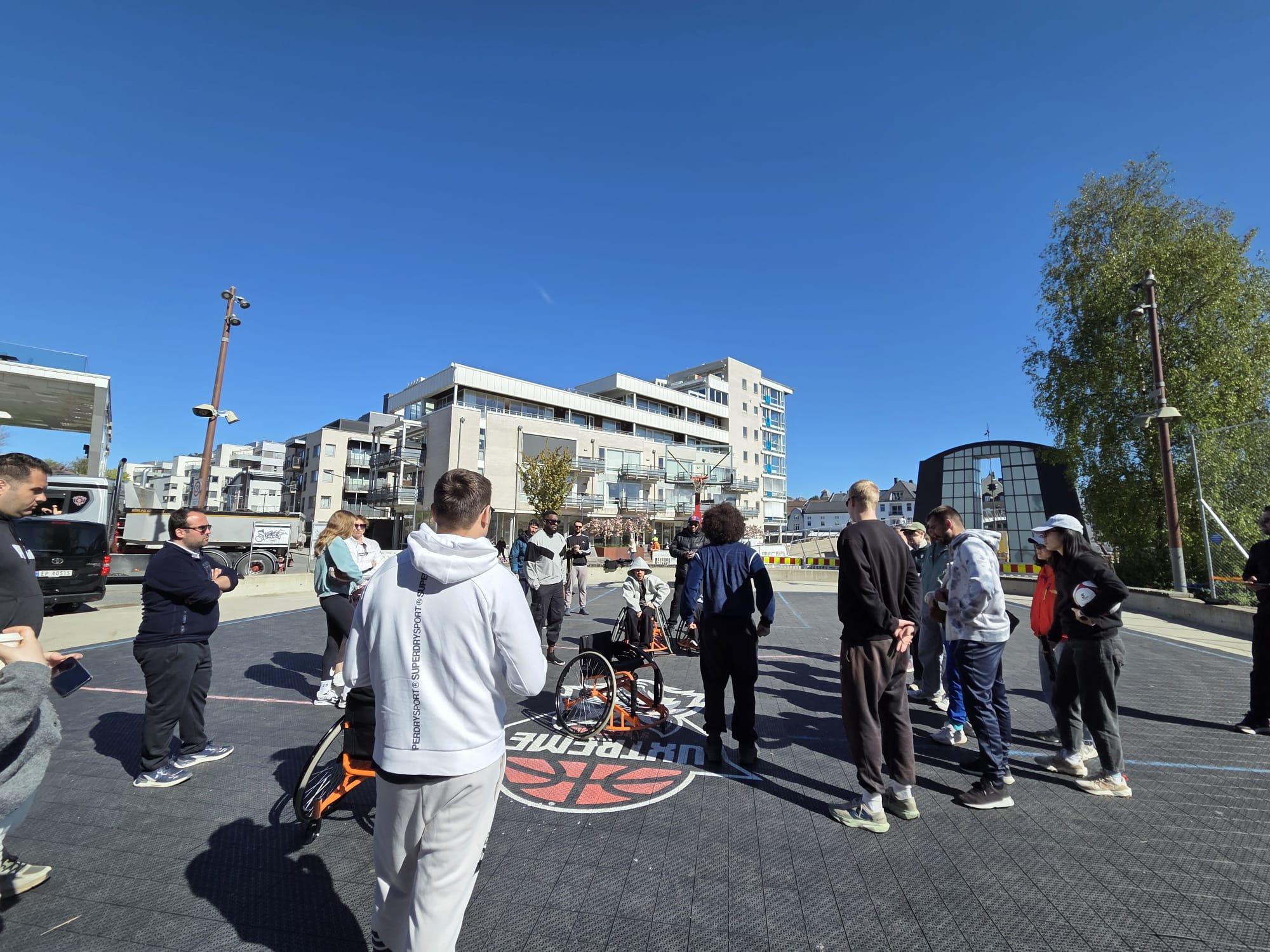
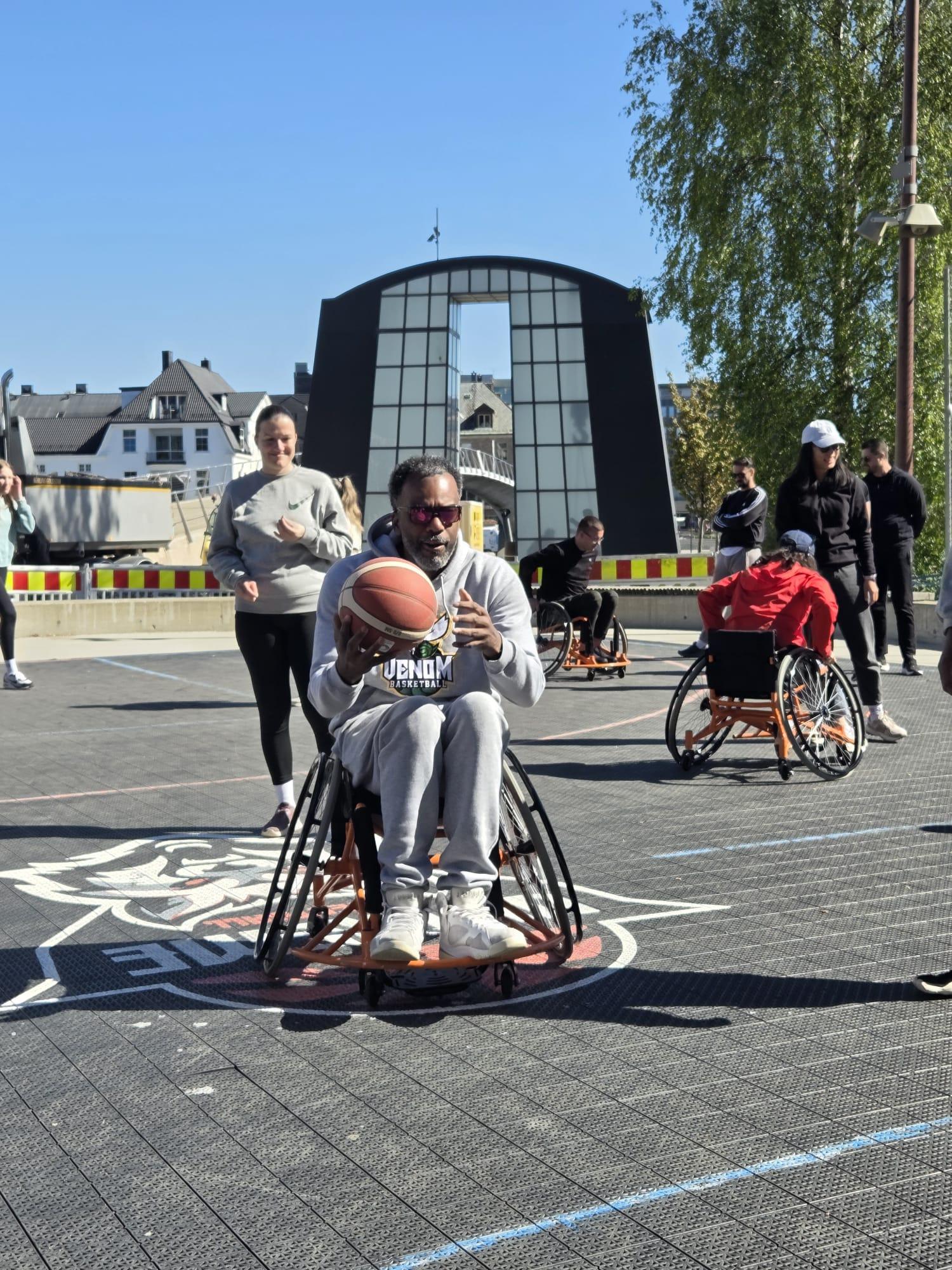
A strong emphasis was placed on inclusion and diversity. The project actively involved young people with fewer opportunities, including those facing economic, social or health barriers, and supported youth workers in making their activities more accessible, attractive and meaningful for everyone. At the same time, the project strengthened international cooperation and contributed to the creation of a sustainable European network of organisations dedicated to youth empowerment through sport.
Main activities
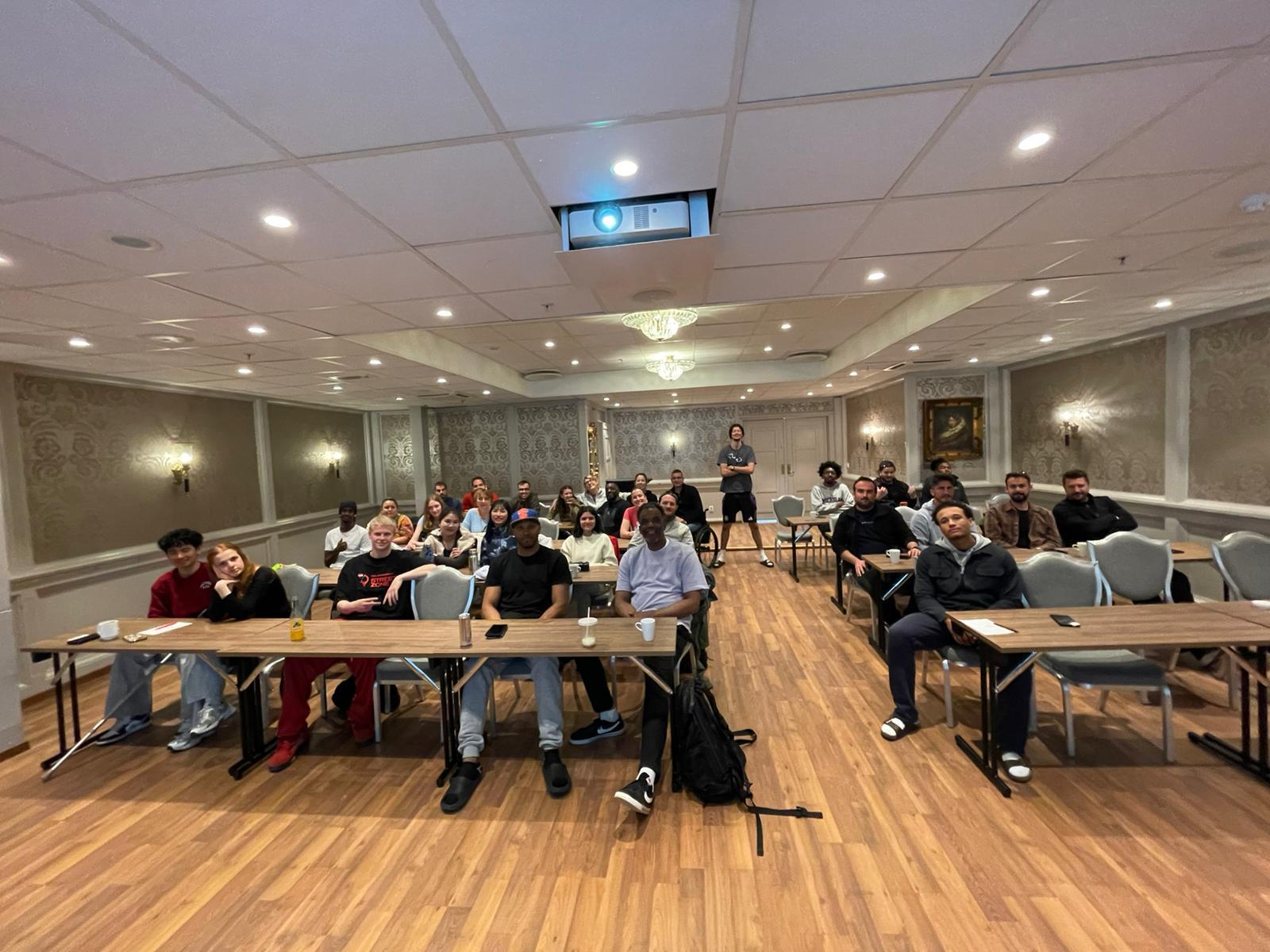
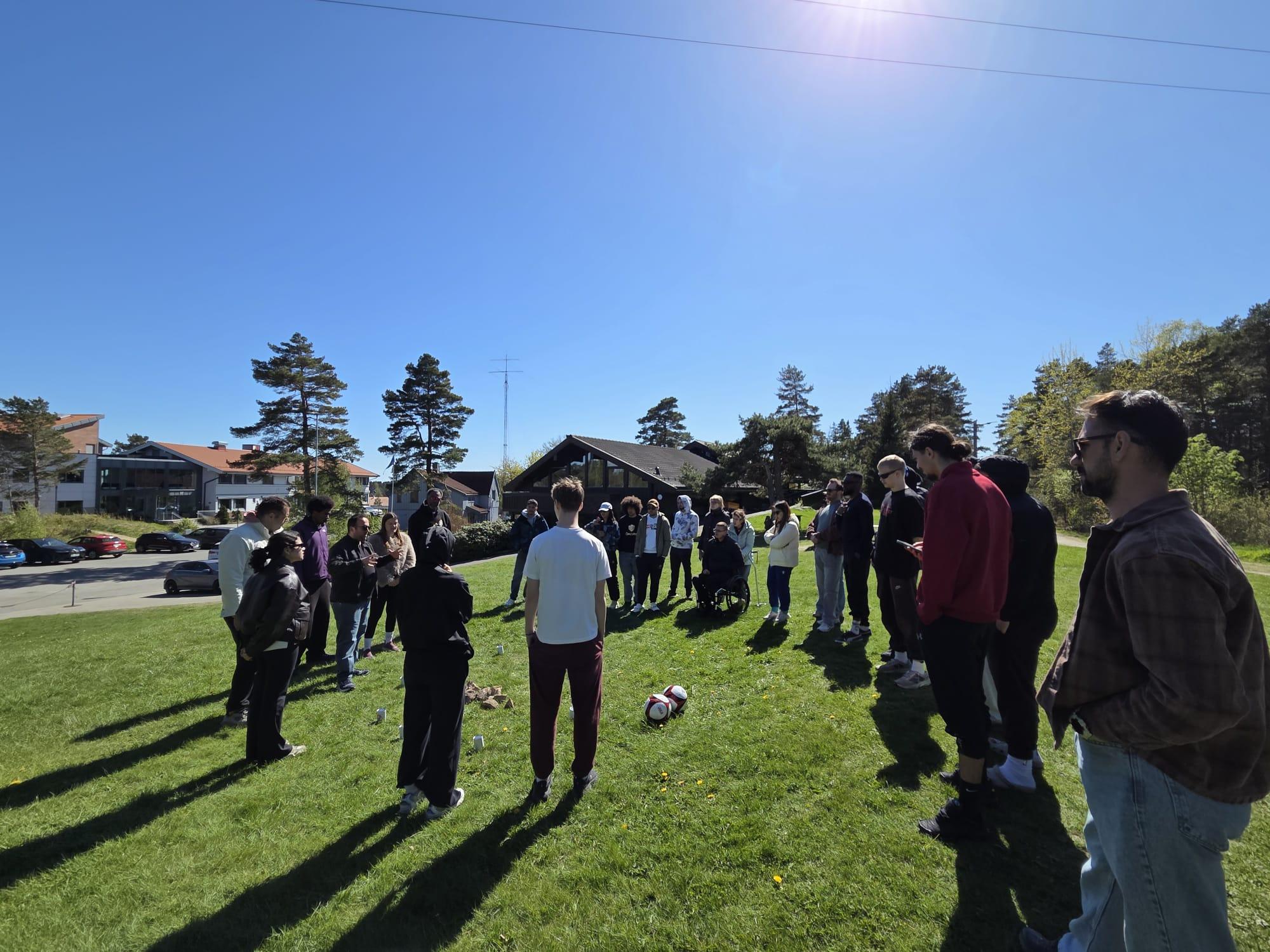
The central activity of the project was a five-day Youth Worker Exchange hosted in Fredrikstad, Norway, by Rolvsøy Streetbasketball Klubb (RSBK). During the exchange, youth workers participated in basketball-based learning sessions, workshops, discussions, study visits and peer-learning activities. The programme combined practical work in sports facilities with educational sessions in classrooms and community spaces, allowing participants to explore how sport can be used more effectively within youth work.
Each day focused on a specific theme, including innovation and project management, inclusion and community development, role models and entrepreneurship, accessibility and diversity, as well as reflection and follow-up activities. Participants also collaborated on the development of a joint toolkit containing methods and best practices that can continue to be used in future youth work activities.
Partnership and participation
The project brought together nine partner organisations from Norway, Finland, France, Germany, Serbia and Türkiye. A total of 36 youth workers directly participated in the exchange, representing coaches, mentors, volunteers, project coordinators and young leaders working with disadvantaged youth.
As the Serbian partner organisation, Active Connect contributed to the exchange of knowledge, promotion of innovative youth work approaches and dissemination of project results at the local level. Through participation in the project, the organisation strengthened its capacity to use sport as a tool for education, inclusion, community building and youth empowerment.
Impact and results
The project had a strong impact on both the participating youth workers and their organisations. Participants gained new competences, practical methods and greater confidence in working with disadvantaged young people through sports-based activities. They also improved their ability to motivate and support young people in the areas of education, employability and personal development.
At organisational level, the project resulted in the creation of a joint toolkit of methods and best practices, which was shared digitally among partner organisations and integrated into their everyday youth work activities. The cooperation also strengthened international partnerships and opened opportunities for future collaboration.
In the long term, the project contributed to promoting inclusion of marginalised youth, encouraging active participation, supporting employability and entrepreneurship, and increasing recognition of sport as an effective educational and social tool in youth work.